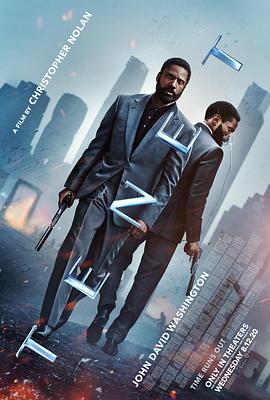
乌克兰基辅国家歌剧院,一伙蒙面歹徒突然闯入演出大厅,挟持在场数百名音乐家和观众。未过多久,乌克兰特警部队迅速赶到,并按照既定战术突入进去。与此同时,几名神秘之人换上特警部队肩章,趁乱潜入歌剧院,救出被困的美国大使。神秘人之一的男主“无名”(约翰·大卫·华盛顿 John David Washington 饰)虽然一度顺利完成任务,却身不由己置身死地。当他再度醒来,则被告知失去原有身份,此后将加入一个名为“信条”的秘密组织,去执行一项阻止世界毁灭的重大任务。早在歌剧院时,他便见识了一次逆转子弹的奇怪现象。而如今着手的任务,似乎正与逆转的子弹乃至逆转的时间息息相关。
注定发生的必然会发生,所种何因,便结何果……
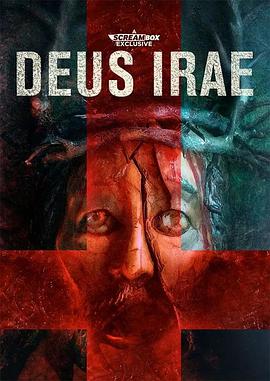
When, at the beginning of Deus Irae, Father Javier stares at a crucifix, his expressions and his hands suggest that the nerves are consuming him. A flashback reveals that this priest devotes his life to visiting families that claim to have seen things that do not belong to this world and cleansing their homes from the demons that try to possess them. But, upon returning to those houses, he notices that the evidence is always destroyed. This way, he discovers that a clan is after him, and must decide whether to hide from them or join them. In times when horror cinema tends to fall into the hands of directors that seek to build narratives that are introspective and close to reality, Pedro Cristiani goes back to old-school horror, where gore and the physical experience are above any other kind of feeling. A cinema that places the camera in front of the faces of the bloodiest demons and, instead of giving logic to them, chooses to face them whatever the cost.
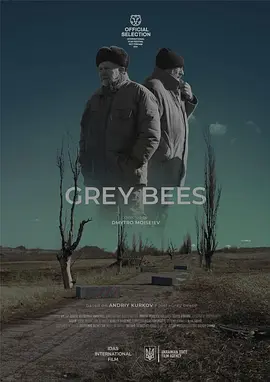
Фільм розповідатиме про двох «ворогів дитинства», останніх мешканців невеликого села, які лишилися жити в «сірій зоні» поблизу лінії фронту. «Мало зважаючи на воєнні події, вони намагаються створити своє мирне життя в небезпечній місцині, але все руйнується, коли в селі з’являється російський снайпер»,
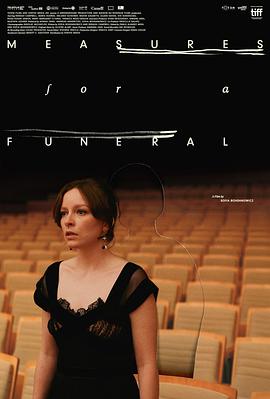
The film is inspired by the true-to-life story of the discovery of the long-lost “Opus 28” manuscript from Norwegian composer Johan Halvorsen, originally performed in 1909 by Canadian violinist Kathleen Parlow, to whom the piece was dedicated.
Campbell portrays a student who seeks to complete her thesis on Parlow by organizing a public performance of “Opus 28” from Toronto to Oslo. The cast includes Dueñas, Melanie Scheiner, Eve Duranceau, Maxim Gaudette, Rosa-Johan Uddoh, and Eileen Davies.
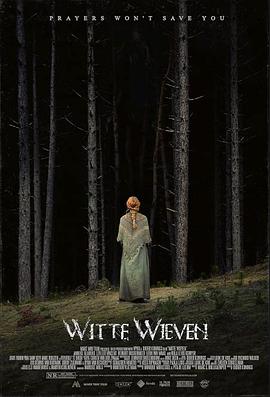
Didier Konings’ simmering mediaeval horror Witte Wieven explores the confluence of religion and patriarchy in an excessively puritanical Dutch village. Blamed by her community for being childless, Frieda immerses herself in prayer and ritual. When she returns unscathed from the forbidden forest surrounding the village, having evaded a lecherous butcher, she is condemned as an agent of the devil. Frieda, however, finds new faith in the dark powers that inhabit the woods.
Shot in a reduced colour palette at the edge of visibility, Konings’ gripping film constructs a convincing pre-modern society whose practices it elucidates with patience and attention. Although set in the Middle Ages, Witte Wieven displays an unmistakably contemporary spirit, crafting a feminist parable about women discovering new ways of understanding their lives and the world.